
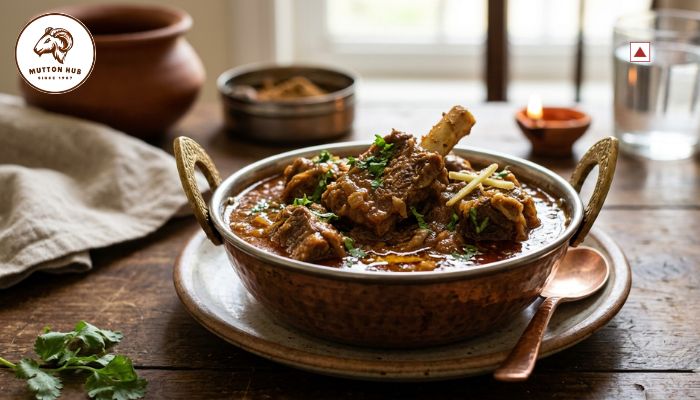
Cooking mutton at home can go two ways. Either you get rich, tender, flavorful meat… or you end up with something tough and chewy that feels like a workout to eat. Here’s the thing. Mutton isn’t difficult to cook. It just needs the right approach. If you’ve been wondering how to cook mutton soft and juicy, this guide breaks it down step by step, using simple techniques that actually work in all Indian kitchens.
1. Start with the Right Cut
Not all cuts cook the same. For soft and juicy results, go for:
- • Shoulder
- • Ribs
- • Leg (bone-in preferred)
These cuts have a good balance of fat and connective tissue, which helps during slow cooking.
2. Marination is Non-Negotiable
If you skip this step, you’re already making it harder for yourself. A good marinade helps tenderize the meat, lock in moisture, and build flavor from the inside.
Basic Mutton Marinade:
- • Curd (dahi)
- • Ginger-garlic paste
- • Salt
- • Turmeric
- • A little mustard oil
Let it rest for 2–4 hours, or overnight if possible, as the natural acids in the curd slowly break down tough fibers, making the mutton softer when cooked.
3. Slow Cooking is the Real Secret
If there’s one rule you don’t want to break, it’s this.
Mutton needs time. Cooking on high heat might seem faster, but it tightens the meat and dries it out.
Instead:
- • Cook on low to medium heat
- • Let the meat simmer in its juices
- • Add water gradually, not all at once
This allows collagen to break down properly, giving you that soft, fall-apart texture.
4. Use a Pressure Cooker the Right Way
In most Indian kitchens, this is the go-to method.
Tips:
- • Cook for 4–6 whistles on medium heat (depends on cut)
- • Let pressure release naturally
- • Don’t overcook, or it becomes mushy
If you’re making curry, you can finish it uncovered after pressure cooking to get the right consistency.
5. Salt Timing Matters More Than You Think
Adding salt too early can sometimes tighten the meat fibers, so a better approach is to add a little salt during marination and adjust the seasoning later while cooking, which helps maintain moisture and improves overall texture.
6. Don’t Skip Resting Time
Once the mutton is cooked, give it a few minutes before serving, so the juices settle back into the meat instead of running out immediately. It’s a small step, but it makes a noticeable difference in how juicy the mutton feels.
7. Common Mistakes to Avoid
A lot of people get close but miss here.
- • Cooking on high flame throughout
- • Not marinating long enough
- • Using very lean cuts with no fat
- • Adding too much water early
- • Rushing the cooking process
Avoid these, and your results improve instantly.
Bonus Tip: Quality Meat Changes Everything
Even perfect technique won’t fix poor-quality meat. Freshness, proper cutting, and hygiene play a huge role in texture and taste.
If you’re cooking at home regularly, sourcing from a reliable provider makes the process easier and more consistent. For fresh, hygienically handled cuts, you can order directly from Mutton Hub, one of the trusted options for quality meat in Kolkata.
Final Thoughts
It comes down to a few fundamentals:
- • Choose the right cut
- • Marinate properly
- • Cook slowly and patiently
Once you get these right, everything else becomes easier.
Latest Posts

August 24, 2026
Is Goat Meat Healthier Than Other Red Meats?
July 17, 2026
Mutton for Muscle Building: Is It Good for You?