
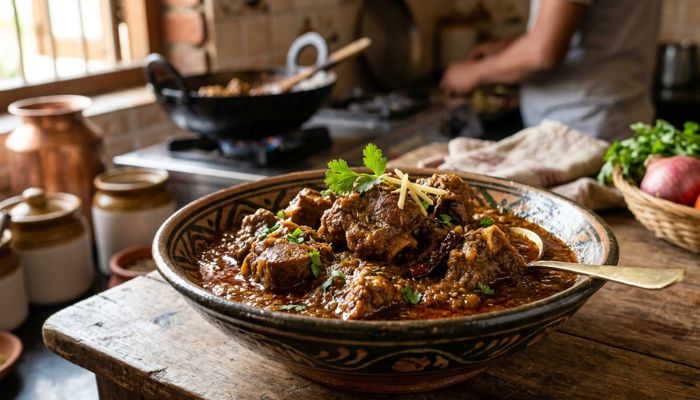
Tender mutton comes down to three things: the right cut, fresh quality meat, and proper cooking technique. When handled correctly, the mutton turns soft, juicy, and full of flavour rather than chewy or tough.
Why Mutton Turns Tough in the First Place
Before resolving the problem, it helps to understand it.
Mutton becomes tough mainly due to connective tissue and muscle fibres. These need time and the right cooking method to break down. If you rush the process or start with poor-quality meat, the result is always disappointing.
That’s why tenderness is not just about cooking. It starts much earlier.
1. The Cut of Mutton Matters More Than You Think
Not all cuts cook the same way.
Some cuts are naturally tender because they come from parts of the animal that don’t work as much. Others need slow cooking to soften properly.
For example:
- Shoulder and leg cuts work best for curries and slow cooking
- Rib cuts are softer and cook faster
- Neck pieces are flavorful but need more time
The first step towards achieving tender mutton is selecting the appropriate cut for the specific dish.
If you want a deeper understanding of cut selection, you can explore this guide on choosing the right cuts.
2. Freshness Changes Everything
Here’s something most people underestimate.
Fresh mutton cooks very differently from stored or frozen meat. It retains natural moisture and breaks down more evenly during the cooking process.
On the other hand, frozen mutton often loses its structure. That’s why it feels chewy even after long cooking.
3. Marination Helps, But Only If Done Right
Ingredients like curd, ginger, garlic, and lemon juice help soften the outer layer of the meat. They also improve flavour.
However, marination alone cannot fix tough meat. It works best when combined with good quality and proper cooking.
A simple home method:
- • Use curd for natural tenderizing
- • Add ginger-garlic paste
- • Let it rest for at least 1–2 hours
4. Cooking Time and Method Are Critical
Mutton needs time. Rushing it leads to tough, chewy pieces. Slow cooking allows collagen in the meat to break down into gelatin. That’s what makes mutton soft and juicy. Pressure cooking helps speed things up, but even then, timing matters.
If you cook too little, it stays tough. If you cook properly, it becomes tender without losing texture.
5. Bone-In Mutton Gives Better Results
For most Indian dishes, bone-in mutton is the better choice.
Bones release flavor and help retain moisture during cooking. This not only improves taste but also contributes to a softer texture. That’s why dishes like kosha mangsho or mutton curry taste richer with bone-in cuts.
6. Quality Sourcing Makes a Real Difference
Where your mutton comes from directly affects tenderness.
Poor sourcing means:
- • Older animals
- • Improper cutting
- • Long storage time
All of this leads to tougher meat. On the other hand, fresh, properly handled mutton gives consistent results.
If you want reliable quality, you can explore fresh, same-day cut options here in mutton hub
7. Small Mistakes That Make Mutton Tough
Avoid these common mistakes:
- • Cooking on very high heat from the start
- • Not giving enough cooking time
- • Using too little liquid
- • Cutting pieces too large or uneven
Fixing these alone can improve your results instantly.
A Simple Way to Ensure Tender Mutton Every Time
If you want to keep it practical, just follow this:
- • Choose the right cut for your dish
- • Use fresh, good-quality mutton
- • Marinate properly
- • Cook slowly and patiently
That’s all it takes.
Final Thoughts
Tender mutton isn’t complicated once you understand what actually matters. In fact, it comes down to a simple combination of excellent sourcing, thoughtful preparation, and patient cooking. When these three come together, the difference shows up clearly in both taste and texture.
Over time, you start noticing the patterns. You understand how the meat behaves, how long it needs, and what works best. As a result, you stop second-guessing your process and start cooking with real confidence.
FAQ 💬
Tenderness depends on the cut, freshness, and cooking time. Slow cooking helps break down fibres and make mutton soft.
Using a pressure cooker with proper timing and marination can help speed up the process while keeping the meat tender.
Yes, but only slightly. It improves texture and flavour, but it cannot replace proper cooking.
This usually happens due to poor quality meat, insufficient cooking time, or high heat cooking.
Yes, raw papaya contains enzymes that help break down meat fibers, but it should be used carefully.
Latest Posts

August 24, 2026
Is Goat Meat Healthier Than Other Red Meats?
July 17, 2026
Mutton for Muscle Building: Is It Good for You?