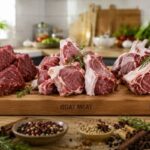
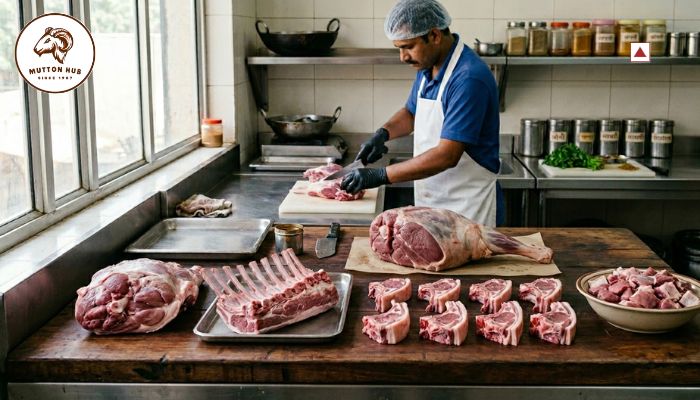
Cooking mutton properly is not just about spices or recipes. The cut you choose changes everything. Some cuts become incredibly tender when slow-cooked, while others work better for grilling, roasting, or pressure cooking. Understanding the Best Cooking Methods for Different Mutton Cuts helps you achieve better texture, richer flavor, and more consistent results at home.
Why Different Mutton Cuts Need Different Cooking Methods
Every cut of mutton has a different muscle structure, fat content, and amount of connective tissue. Some parts of the animal are naturally tougher because they work harder, while others are softer and cook faster.
This is why cooking methods matter so much. Tougher cuts benefit from slow cooking because heat gradually breaks down collagen and connective tissue, making the meat soft and flavorful. Tender cuts, on the other hand, perform better with faster cooking methods that preserve moisture and texture.
Once you understand this balance, cooking mutton becomes far easier and more predictable.
Shoulder Cut – Best for Slow Cooking and Curries
Mutton shoulder is one of the most flavorful cuts because it contains a good balance of fat and connective tissue. When cooked slowly, the meat becomes tender while releasing deep flavor into the gravy.
This cut works especially well for traditional Indian curries, rich masala preparations, and dum-style cooking. Pressure cooking also works beautifully if you want to reduce cooking time without losing tenderness.
If you enjoy rich home-style gravies, shoulder cuts are often the best choice. You can also explore our detailed mutton recipes for curry ideas and slow-cooked preparations that work perfectly with this cut.
Leg Cut – Best for Roasting and Festive Cooking
The leg cut is leaner compared to shoulder meat, but it develops incredible flavor when marinated properly and cooked slowly. This is why whole-leg preparations are popular during festive meals and family gatherings.
Roasting and dum cooking are ideal methods for this cut because they allow the meat to cook evenly while retaining moisture. A properly cooked leg cut should feel tender inside while developing a rich outer texture.
One of the best examples is a traditional mutton raan recipe, where slow cooking transforms the leg into a juicy centerpiece dish.
Ribs – Best for Grilling and Barbecue
Mutton ribs contain a natural balance of meat and fat, which makes them excellent for grilling and barbecue cooking. The fat melts slowly during cooking, helping the meat stay juicy while creating a smoky, rich flavor.
This cut responds especially well to strong marinades with yogurt, spices, and herbs. Whether cooked over charcoal, in a tandoor, or on a grill pan, ribs develop a delicious crust while remaining flavorful inside.
The key here is controlled heat. Cooking too quickly on a very high flame can dry out the surface before the inside becomes tender.
Neck Cut – Best for Rich Gravies and Stews
Neck cuts are often overlooked, but they produce some of the richest gravies in mutton cooking. Because the cut contains bone, connective tissue, and collagen, it releases tremendous flavor during long cooking.
Slow simmering works best for neck pieces, although pressure cooking is also effective for everyday meals. This cut is commonly used in traditional curries, nihari-style dishes, and slow-cooked stews where depth of flavor matters more than presentation.
The longer cooking time allows the collagen to melt naturally, giving the gravy a thicker and more luxurious texture.
Chops – Best for Pan Frying and Quick Cooking
Mutton chops are smaller and relatively tender, which means they cook much faster than shoulder or neck cuts. Because of this, they work well for pan-frying, grilling, and shallow-frying methods.
A good marinade helps add flavor quickly, while medium heat ensures the meat cooks evenly without becoming dry. Overcooking is one of the most common mistakes with chops because they lose moisture faster than fattier cuts.
When cooked properly, chops develop a crisp outer layer while remaining juicy inside.
Boneless Mutton – Best for Kebabs and Fast Recipes
Boneless mutton is one of the most versatile options for home cooking. Since it cooks faster and is easier to handle, it is commonly used in kebabs, stir-fried dishes, and quick masala preparations.
This cut works especially well for recipes where spices need to coat the meat evenly. However, because boneless meat contains less fat than bone-in cuts, cooking time should be monitored carefully to avoid dryness.
Quick cooking methods usually deliver the best results here.
Pressure Cooking vs Slow Cooking
Both pressure cooking and slow cooking work well for mutton, but each serves a different purpose.
- Pressure cooking is practical for daily meals because it reduces cooking time significantly while still softening tougher cuts. It is convenient, efficient, and widely used in Indian kitchens.
- Slow cooking, however, develops deeper flavor and better texture. The gradual heat allows collagen and fat to break down naturally, creating richer gravies and softer meat.
If time allows, slow cooking generally produces more restaurant-style results.
Fresh meat makes a bigger difference than most people realize.
Even the perfect cooking technique cannot completely fix poor-quality meat. Freshness, cutting style, and hygiene directly affect tenderness, moisture retention, and overall flavor.
That’s why sourcing your meat carefully matters just as much as the recipe itself. If you’re looking for fresh, hygienically prepared cuts for different recipes and cooking styles, you can explore the range available at Mutton Hub for consistent home cooking results.
Common Mistakes People Make While Cooking Mutton
Many cooking problems happen simply because the wrong method is used for the cut.
For example, grilling tough shoulder cuts without proper marination often leads to chewy meat, while overcooking chops can make them dry very quickly. Using high heat throughout cooking is another common issue because it tightens the meat fibers instead of softening them gradually.
Patience plays a major role in good mutton cooking. Allowing enough time for marination and cooking usually makes a noticeable difference in both texture and flavor.
Conclusion
Learning the best mutton cooking methods for different cuts can completely improve the way you cook at home.
Once you understand which cuts are best for slow cooking, grilling, roasting, or curries, it becomes much easier to create soft, flavorful dishes consistently. Combined with proper marination and fresh quality meat, the right cooking method helps bring out the best texture and taste in every preparation.
Shoulder and leg cuts usually become the softest when cooked slowly. These cuts contain connective tissue and fat that break down during cooking, making the meat tender and juicy.
Yes, pressure cooking is one of the best methods for cooking mutton at home. It helps tenderize tougher cuts faster while retaining flavor and moisture when cooked properly.
Shoulder, neck, and bone-in leg cuts work especially well for curries because they release rich flavor into the gravy during slow cooking.
The leg cut is considered one of the best options for roasting because it stays flavorful and juicy when cooked slowly with proper marination.
For best results, mutton should be marinated for at least 2–4 hours. Overnight marination helps tenderize the meat further and improves flavor absorption.
Latest Posts

August 24, 2026
Is Goat Meat Healthier Than Other Red Meats?
July 17, 2026
Mutton for Muscle Building: Is It Good for You?