
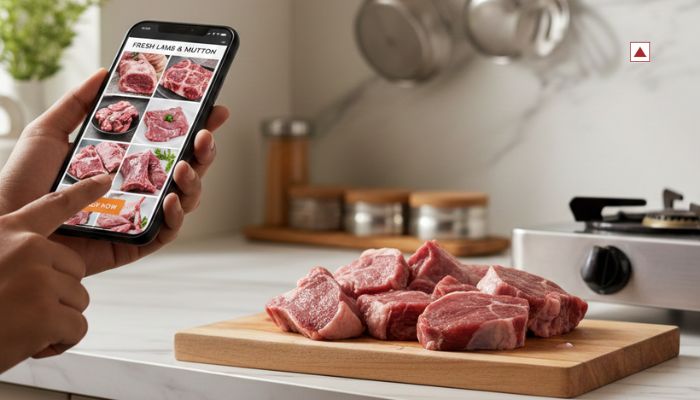
Buying mutton online feels convenient. A few taps, a delivery slot, and dinner plans are sorted. But here’s the truth: most people learn the hard way that mutton is unforgiving. One wrong decision and you’re left with tough meat, an odd smell, excess fat, or pieces that simply don’t cook right.
As more households start buying mutton online, especially in cities like Kolkata, certain mistakes keep repeating. Not because buyers are careless, but because most platforms don’t explain what actually matters.
Why Buying Mutton Online Needs More Care
Mutton isn’t a packaged product. Quality depends on things you can’t see on a screen:
- When the animal was cut
- How the meat was stored
- Whether cuts were separated properly
- Hygiene during handling
- Delivery timing
When you buy mutton online, physical inspection disappears. Decision quality has to go up. Most problems begin when buyers assume all online mutton works the same way.
Mistake 1: Choosing Price Over Freshness
This is the most common mistake in buying mutton online.
Many buyers filter listings by price and assume cheaper equals smarter. In reality, unusually low prices often indicate:
- Frozen or old stock
- Excess water weight
- Poor cut ratios with too much bone or fat
- Meat cut long before delivery
Fresh mutton has a cost. Same-day cutting, hygienic handling, and controlled storage are not cheap processes.
What to do instead:
Look for sellers who mention same-day cutting or cut-after-order practices. The price should feel reasonable, not suspicious.
Mistake 2: Not Checking Same-Day Cutting Information
Many people assume online mutton is always freshly cut. That assumption causes most quality complaints.
Some platforms cut meat in bulk early morning, store it in cold rooms, and deliver it hours later. By the time it reaches your kitchen, freshness has already dropped.
Fresh mutton should:
- Have a natural pinkish-red colour
- Smell neutral, never sour
- Release minimal water during cooking
What to do instead:
If the platform doesn’t clearly mention same-day cutting, don’t assume it happens.
Mistake 3: Ignoring Cut Details
This mistake directly affects taste and cooking results.
Many buyers order “1 kg mutton” without knowing what cuts they’ll receive. The result is often:
- Too many bony pieces for curry
- Fat-heavy chunks for biryani
- Mixed sizes that cook unevenly
Different dishes need different cuts. Platforms that don’t offer cut-level clarity force buyers into compromise.
What to do instead:
Always check if cut options are listed clearly. A proper menu should separate leg, shoulder, ribs, keema, and curry cuts.
Mistake 4: Assuming All Mutton Is the Same
“Mutton is mutton” is an expensive assumption.
Quality varies depending on:
- Goat age
- Breed
- Feeding habits
- Cutting technique
Tender mutton cooks faster, absorbs spices better, and tastes cleaner. Tough mutton does the opposite.
Most online listings don’t explain this difference, so buyers blame the recipes rather than the meat quality.
What to do instead:
Prefer sellers who specialise in mutton rather than selling all types of meat without focus.
Mistake 5: Ignoring Hygiene and Handling
When buying mutton online, hygiene is invisible. That’s why many people skip it completely.
Poor hygiene often shows up as:
- Slimy texture
- Strong unpleasant smell
- Excess moisture inside the packaging
If a platform doesn’t talk about hygiene or handling practices, that silence itself is a warning.
What to do instead:
Look for clean, sealed packaging and sellers who clearly communicate their handling standards.
Mistake 6: Ignoring Local Cooking Requirements
This is especially common in Kolkata.
Local cooking styles often require:
- Medium-sized curry cuts
- Balanced bone-to-meat ratio
- Freshness for slow cooking
Generic national platforms don’t cater to regional preferences. They sell standardised cuts meant for pan-India use.
What to do instead:
Choose sellers who understand local cooking habits. It improves results immediately.
If you cook traditional dishes regularly, pairing the right cut with the right recipe matters.
Mistake 7: Not Paying Attention to Delivery Timing
Fresh mutton has a narrow quality window.
Late deliveries often mean:
- Longer storage time
- Temperature fluctuations
- Quality drops before cooking
Many buyers place orders without checking delivery slots, especially during weekends or festivals.
What to do instead:
Order from sellers who offer fixed same-day or scheduled delivery windows.
Mistake 8: Overlooking Customer Support
When something goes wrong, silence becomes expensive.
Platforms without responsive support make it hard to:
- Clarify cut preferences
- Address quantity issues
- Raise quality concerns
Reliable sellers communicate clearly and remain reachable.
What to do instead:
Before ordering, check if the seller offers phone or WhatsApp support. Accountability matters.
How to Buy Mutton Online the Right Way
Use this checklist before placing an order:
- Same-day cutting confirmed
- Clear cut options available
- Transparent pricing
- Hygienic handling mentioned
- Reliable local delivery
Avoid platforms that try to sell everything to everyone. Meat quality improves when sellers specialise.
Why Local Online Sellers Often Perform Better
Local sellers understand:
- Regional cooking styles
- Preferred cut sizes
- Delivery challenges in nearby areas
In places like South Kolkata, Salt Lake, and New Town, local online sellers often outperform large national platforms when it comes to freshness and reliability.
Buying local online combines convenience with accountability.
Final Thoughts
Buying mutton online isn’t risky. Buying blindly is.
Most disappointments come from assumptions:
- Assuming cheaper is better
- Assuming freshness is guaranteed
- Assuming cuts don’t matter
Once you treat mutton like the premium ingredient it is, your buying decisions improve.
Latest Posts

February 20, 2026
From Farm to Kitchen: How Fresh Mutton Reaches Your Home
February 13, 2026
Common Mistakes People Make While Buying Mutton Online
February 6, 2026
Where to Buy Fresh Mutton in Kolkata (And What to Look For)
January 30, 2026
Goat Mutton vs Sheep Meat: What Buyers Should Know
January 23, 2026
Bone vs Boneless Mutton: Which Is Better for Home Cooking