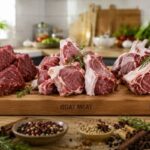
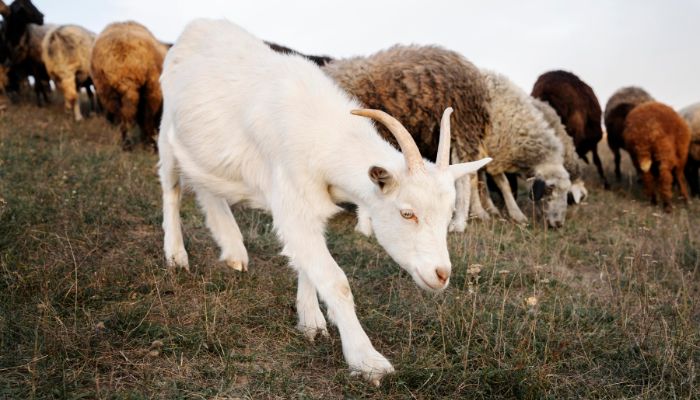
Goat mutton is leaner, lighter on digestion, and more commonly preferred in Indian cooking, while sheep meat is fattier, milder in flavour, and better suited for slow-cooked or richer dishes. Choosing the right one depends on taste preference, health needs, and the recipe you plan to cook.
Let’s break it down clearly so you know exactly what you’re buying and why it matters.
Why This Comparison Matters for Indian Buyers
In India, the word mutton usually means goat meat, not sheep. That’s already different from many Western markets. The problem starts when buyers order meat online or from unfamiliar sellers without clarity.
What this really means is:
- You may think you’re buying goat mutton but receive sheep meat
- Taste, texture, and cooking results change completely
- Health-conscious buyers may end up with fattier meat unintentionally
At Mutton Hub, this distinction matters because freshness, cut type, and animal source directly affect how your dish turns out.
Goat Mutton vs Sheep Meat: Core Differences at a Glance
Animal Source Explained Simply
- Goat Mutton: Meat from adult goats. Commonly consumed across India.
- Sheep Meat: Meat from sheep, often confused with goat, but very different in fat and texture.
In local markets, goat meat is the default expectation. Sheep meat is less common and usually cheaper for a reason.
Taste and Flavour Profile
Goat Mutton Taste
- 🗹 Rich, slightly gamey, and deeply savoury
- 🗹 Strong flavour that holds up well in Indian spices
- 🗹 Ideal for kosha mangsho, rezala, korma, curry, and biryani
Sheep Meat Taste
- 🗹 Milder and sometimes slightly sweet
- 🗹 Higher fat content can mask spice complexity
- 🗹 Works better in slow-cooked, gravy-heavy dishes
If you enjoy bold, traditional Indian flavours, goat mutton usually delivers better results.
Texture and Mouthfeel
Goat Mutton
- 🗹 Firmer texture
- 🗹 Fibres hold shape during long cooking
- 🗹 Becomes tender when slow cooked properly
Sheep Meat
- 🗹 Softer due to higher fat
- 🗹 Can feel greasy if overcooked
- 🗹 Loses structure faster in high-heat cooking
This is why professional cooks often prefer goat mutton for structured curries and festive dishes.
Fat Content and Health Perspective
Here’s the thing most buyers overlook.
Goat Mutton
- 🗹 Naturally lean
- 🗹 Lower saturated fat
- 🗹 Easier to digest for many people
Sheep Meat
- 🗹 Noticeably fattier
- 🗹 Higher calorie density
- 🗹 Can feel heavy after meals
For families cooking mutton regularly, goat meat is generally the healthier long-term choice.
Cooking Behavior and Recipe Suitability
Best Uses for Goat Mutton
- 🗹 Mutton kosha
- 🗹 Rezala
- 🗹 Rogan josh
- 🗹 Dum biryani
- 🗹 Spicy slow-cooked curries
If you’re following recipes like Kolkata-style mutton kosha or Mughlai gravies, goat mutton gives better depth and texture. You can see how cut quality affects results in recipes like Mutton Hub’s home-style curries and biryani preparations.
Best Uses for Sheep Meat
- 🗹 Slow braises
- 🗹 Mild stews
- 🗹 Dishes where fat richness is desired
But for everyday Indian home cooking, sheep meat is less versatile.
Smell and Freshness Indicators
Freshness matters more than animal type, but differences still exist.
- Fresh goat mutton: Clean, mild smell, firm texture
- Fresh sheep meat: Slightly stronger aroma due to fat
Poor handling exaggerates odour in sheep meat faster than goat meat. This is why same-day cutting and hygiene, like Mutton Hub follows, makes a noticeable difference.
Pricing and Value for Money
Goat Mutton Pricing
- ➲ Higher price per kilo
- ➲ Better yield for curries and traditional recipes
- ➲ Preferred by most Indian households
Sheep Meat Pricing
- ➲ Cheaper per kilo
- ➲ Includes higher fat and less usable lean meat
What looks cheaper upfront may not deliver the taste or health value you expect.
Availability and Market Practices in India
In cities like Kolkata:
- ➲ Goat mutton is in higher demand
- ➲ Sheep meat may be sold without clear disclosure
- ➲ Online platforms may label both as “mutton”
This is where a transparent seller matters. Mutton Hub clearly specifies cut type, freshness, and sourcing so buyers know what they’re ordering.
Which One Should You Buy?
Choose Goat Mutton if you want:
- 🗹 Authentic Indian flavour
- 🗹 Leaner meat
- 🗹 Better digestion
- 🗹 Reliable results in traditional recipes
Choose Sheep Meat if you want:
- ➲ Softer, fattier meat
- ➲ Milder flavour
- ➲ Lower upfront cost
For most Indian kitchens, goat mutton remains the smarter and safer choice.
Why Mutton Hub Focuses on Goat Mutton Quality
Mutton Hub prioritises:
- 🗹 Fresh goat mutton
- 🗹 Same-day cutting
- 🗹 Clean handling and hygiene
- 🗹 Clearly listed cuts for specific recipes
Whether you’re buying curry cuts, biryani pieces, keema, or whole cuts, knowing the animal source helps you cook with confidence.
Final Thoughts
Knowing the difference between goat mutton and sheep meat helps you make better choices in the kitchen. It affects how your food tastes, how it cooks, and how light or heavy it feels after eating.
For most Indian recipes, goat mutton delivers better flavour, cleaner texture, and more consistent results. Sheep meat may be cheaper, but it doesn’t always give the same experience on the plate.
When you buy mutton, always ask what animal it comes from and how fresh it is. That small step makes a big difference.
FAQs: Goat Mutton vs Sheep Meat
Yes. Goat mutton is leaner and generally easier to digest.
Lower fat, higher demand, and better cooking results increase its value.
It can, but goat mutton gives better flavour and texture
Goat meat is darker, firmer, and has less visible fat.
Goat mutton, without question.
Latest Posts

August 24, 2026
Is Goat Meat Healthier Than Other Red Meats?
July 17, 2026
Mutton for Muscle Building: Is It Good for You?